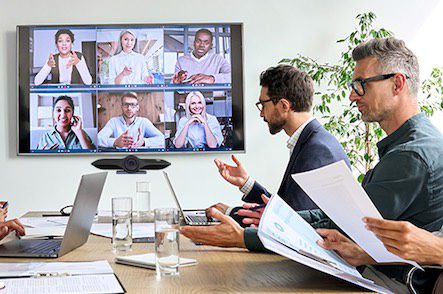
How have video conferencing tools revolutionized the online world?

Video conferencing tools have revolutionized the online world by enabling seamless communication and collaboration across distances. Here are some ways in which they have had a significant impact:

1. Global Connectivity: Video conferencing tools have connected people from different parts of the world, breaking down barriers of distance and time zones. Business meetings, academic collaborations, and social interactions can now happen in real-time, fostering global connectivity and expanding opportunities for individuals and organizations.

2. Enhanced Collaboration: Video conferencing tools have transformed how teams work together remotely. They enable face-to-face interactions, allowing team members to see each other, share screens, and collaborate on projects in real-time. This has led to increased productivity, efficient decision-making, and better teamwork, even when team members are geographically dispersed.

3. Cost and Time Savings: By eliminating the need for physical travel, video conferencing tools have significantly reduced costs and saved time. Businesses can conduct meetings, presentations, and training sessions remotely, eliminating travel expenses and associated logistical challenges. This has made collaboration more affordable, efficient, and environmentally friendly.

4. Flexible Work Environments: Video conferencing has played a pivotal role in enabling flexible work environments, such as remote work and telecommuting. Employees can work from anywhere with an internet connection, which has improved work-life balance and attracted a global talent pool for businesses. It has also opened up opportunities for individuals who may have faced barriers to traditional office-based work.

5. Education and E-Learning: Video conferencing tools have revolutionized education by bringing virtual classrooms and e-learning platforms to life. Students can attend lectures, participate in discussions, and engage in group projects remotely. This has expanded access to education, enabled lifelong learning, and provided flexibility to learners of all ages and backgrounds.

6. Healthcare and Telemedicine: Video conferencing tools have transformed healthcare delivery through telemedicine services. Patients can now consult with doctors remotely, receive medical advice, and even get diagnosed and treated for certain conditions without visiting a physical clinic. This has improved access to healthcare, especially for individuals in rural or underserved areas.

7. Social Connections: Video conferencing tools have facilitated social interactions and reduced feelings of isolation, particularly during times of physical distancing. They have allowed people to connect with friends, family, and colleagues, engaging in virtual gatherings, celebrations, and social events. This has been especially valuable during the COVID-19 pandemic.

Overall, video conferencing tools have revolutionized the online world by bridging distances, improving collaboration, saving time and costs, enabling flexible work environments, enhancing education and healthcare, and fostering social connections. They have become an indispensable part of our digital lives, transforming how we communicate, collaborate, and connect with others.Similarly, we are going to introduce you to such a video conferencing tool which is going to revolutionize the world……………..ONPASSIVE.COM………..https://ecosystem.onpassive.com/auth?oesId=95Joyh79ma7CHAr0DutwQg

Similarly, we are going to introduce you to such a video conferencing tool which is going to revolutionize the world.

https://ecosystem.onpassive.com/auth?oesId=95Joyh79ma7CHAr0DutwQg

Burj Khalifa had to face these problems in making, what were the problems

The construction of the Burj Khalifa, the world’s tallest building located in Dubai, faced several challenges during its development. Some of the key problems encountered during the construction process include:

1. Height and Structural Design: Designing a building of such immense height presented significant engineering challenges. The Burj Khalifa had to withstand high winds, extreme temperatures, and seismic forces. The structural engineers had to develop innovative solutions to ensure the stability and safety of the building.

2. Foundation and Soil Conditions: The building’s foundation required extensive planning and engineering due to the unique soil conditions in the area. Dubai sits on sandy and marshy coastal soil, which presented difficulties in supporting the weight of the skyscraper. Engineers employed a complex foundation system involving a reinforced concrete mat and deep piles to distribute the load and ensure stability.

3. Material Selection: The construction of the Burj Khalifa demanded large quantities of construction materials. Sourcing and transporting the required materials, such as steel, concrete, and glass, to the construction site posed logistical challenges. The scale and volume of materials needed had to be carefully coordinated and managed.

4. Wind and Structural Testing: Given the tower’s height, wind became a significant concern. Before construction began, extensive wind tunnel testing was conducted to assess the impact of wind on the structure and to ensure the safety and comfort of the building’s occupants.

5. Construction Timeline and Resources: Building a project of this magnitude within a specific timeframe required careful planning and coordination. Coordinating labor, resources, and equipment to meet the construction milestones was a considerable logistical challenge. The project employed a large workforce and required meticulous project management to keep the construction on track.

Despite these challenges, the Burj Khalifa’s construction was successfully completed in 2010, standing at a height of 828 meters (2,717 feet) and serving as a remarkable feat of architectural and engineering achievement.

Burj Khalifa

“Embracing the Extraordinary: A Journey Through Life’s Vibrant Tapestry”

Living a good life is a subjective concept that can vary from person to person. However, there are some common principles and practices that can help create a fulfilling and meaningful life. Here are a few key elements to consider: 1. Cultivate positive relationships: Surround yourself with supportive and uplifting individuals who share your values. […]

“Embracing the Extraordinary: A Journey Through Life’s Vibrant Tapestry”

“Embracing the Extraordinary: A Journey Through Life’s Vibrant Tapestry”

Living a good life is a subjective concept that can vary from person to person. However, there are some common principles and practices that can help create a fulfilling and meaningful life. Here are a few key elements to consider:

1. Cultivate positive relationships: Surround yourself with supportive and uplifting individuals who share your values. Nurture meaningful connections with family, friends, and communities. Healthy relationships contribute to happiness and provide a sense of belonging.

2. Pursue personal growth: Continuously strive to improve yourself intellectually, emotionally, and spiritually. Set goals, learn new skills, engage in self-reflection, and embrace challenges. Seek opportunities for personal development and expand your knowledge and experiences.

3. Practice gratitude: Cultivating a sense of gratitude can transform your perspective and enhance your well-being. Take time each day to appreciate the simple joys, express gratitude for the people and things in your life, and focus on the positives.

4. Prioritize well-being: Take care of your physical, mental, and emotional health. Maintain a balanced lifestyle by incorporating regular exercise, nutritious eating habits, quality sleep, and stress management techniques such as mindfulness or meditation.

5. Follow your passions: Engage in activities that bring you joy and fulfillment. Discover your interests, hobbies, and talents, and make time for them regularly. Pursue meaningful work or a career aligned with your passions and values.

6. Foster resilience: Life inevitably brings challenges and setbacks. Cultivate resilience by developing coping mechanisms, embracing change, and maintaining a positive mindset. Learn from failures and setbacks, and use them as opportunities for growth.

7. Contribute to others: Find ways to give back to your community and make a positive impact on others’ lives. Volunteer, support charitable causes, or engage in acts of kindness. Helping others not only benefits them but also brings a sense of purpose and fulfillment to your own life.

8. Find balance: Strive for balance in various aspects of life, including work, relationships, leisure, and personal time. Prioritize self-care and ensure you allocate time and energy to different areas that matter to you.

Remember, what constitutes a good life may vary for each individual. It’s important to define your own values, goals, and priorities to shape a life that aligns with your authentic self and brings you a deep sense of satisfaction and contentment.