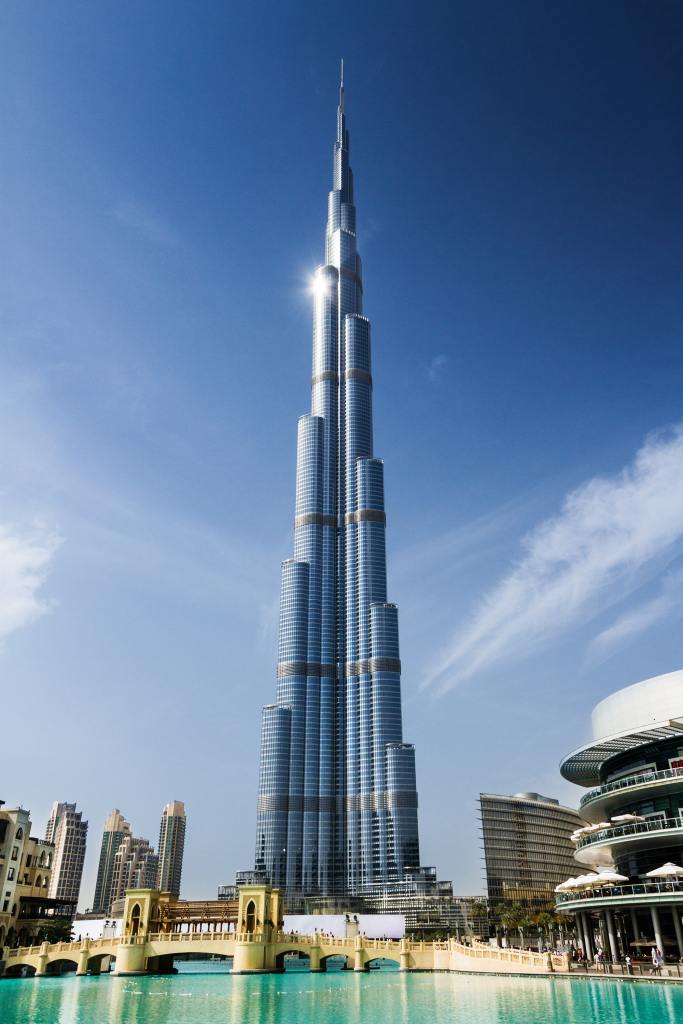
The construction of the Burj Khalifa, the world’s tallest building located in Dubai, faced several challenges during its development. Some of the key problems encountered during the construction process include:
1. Height and Structural Design: Designing a building of such immense height presented significant engineering challenges. The Burj Khalifa had to withstand high winds, extreme temperatures, and seismic forces. The structural engineers had to develop innovative solutions to ensure the stability and safety of the building.
2. Foundation and Soil Conditions: The building’s foundation required extensive planning and engineering due to the unique soil conditions in the area. Dubai sits on sandy and marshy coastal soil, which presented difficulties in supporting the weight of the skyscraper. Engineers employed a complex foundation system involving a reinforced concrete mat and deep piles to distribute the load and ensure stability.
3. Material Selection: The construction of the Burj Khalifa demanded large quantities of construction materials. Sourcing and transporting the required materials, such as steel, concrete, and glass, to the construction site posed logistical challenges. The scale and volume of materials needed had to be carefully coordinated and managed.
4. Wind and Structural Testing: Given the tower’s height, wind became a significant concern. Before construction began, extensive wind tunnel testing was conducted to assess the impact of wind on the structure and to ensure the safety and comfort of the building’s occupants.
5. Construction Timeline and Resources: Building a project of this magnitude within a specific timeframe required careful planning and coordination. Coordinating labor, resources, and equipment to meet the construction milestones was a considerable logistical challenge. The project employed a large workforce and required meticulous project management to keep the construction on track.
Despite these challenges, the Burj Khalifa’s construction was successfully completed in 2010, standing at a height of 828 meters (2,717 feet) and serving as a remarkable feat of architectural and engineering achievement.

 Site Title